





Toledo es una ciudad española con una historia muy importante lo cual la llevó a ser nombrada como «Ciudad Patrimonio de la Humanidad» por la Unesco el 28 de noviembre de 1986. Entre los grandes momentos de su historia podemos destacar, por ejemplo, cuando fue la capital de los visigodos.
Pues bien, conscientes de ello, a principios del siglo XXI se dieron cuenta de que quizás sería buena idea tener una mejor conexión entre la capital española, Madrid, y Toledo. Hasta el momento, para ir de un punto al otro, los conductores tenían que usar la autopista A-4. No obstante, querían crear una ruta alternativa. Así es como nació la idea de crear la autopista Madrid-Toledo o AP-41.
La empresa concesionaria del proyecto en sus inicios fue Autopista Madrid-Toledo, Concesionaria Española de Autopistas, S. A.Sin embargo, debido a su quiebra, desde 2019 la concesión pertenece a la Sociedad Estatal de Infraestructuras del Transporte Terrestre (SEITT).
Cabe destacar, que en el proyecto original se pretendía que el tramo continuara hasta Ciudad Real y Córdoba, pero finalmente se desestimó la idea debido a sus consecuencias perjudiciales para el medio ambiente, ya que esa autopista atravesaría espacios protegidos como los Montes de Toledo y Sierra Morena.
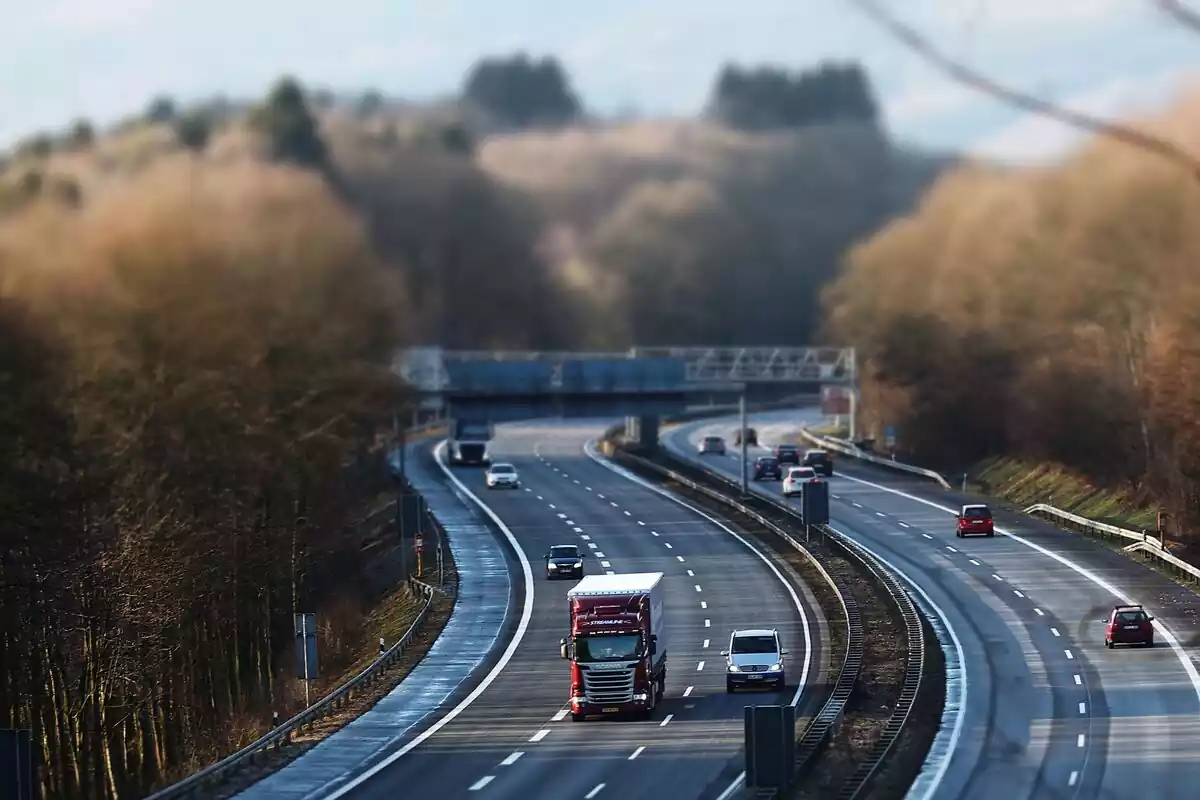
Esta autopista nace en la R-5 y tiene una longitud de 47 kilómetros. Se inauguró en diciembre de 2006 y en ese primer mes tuvo un tráfico medio diario de 1.741 vehículos, lo cual está lejos del objetivo que se propusieron antes de su construcción. El proyecto era muy ambicioso, ya que se pretendía que incluso en algunos tramos se llegase a un promedio de 25.000 vehículos diarios. Nada más lejos de la realidad.
Durante los dos primeros años, el número de automóviles que transitaban por ese tramo aumentó, alcanzando su punto máximo en 2008 con una media de 2.861. A partir de ahí cayó en picado. Seis años después, ya en 2014 se alcanzó el punto mínimo con una media de 755. En los siguientes años se sufrió un leve repunte, pero ni siquiera se logró llegar a la media de 2006.